


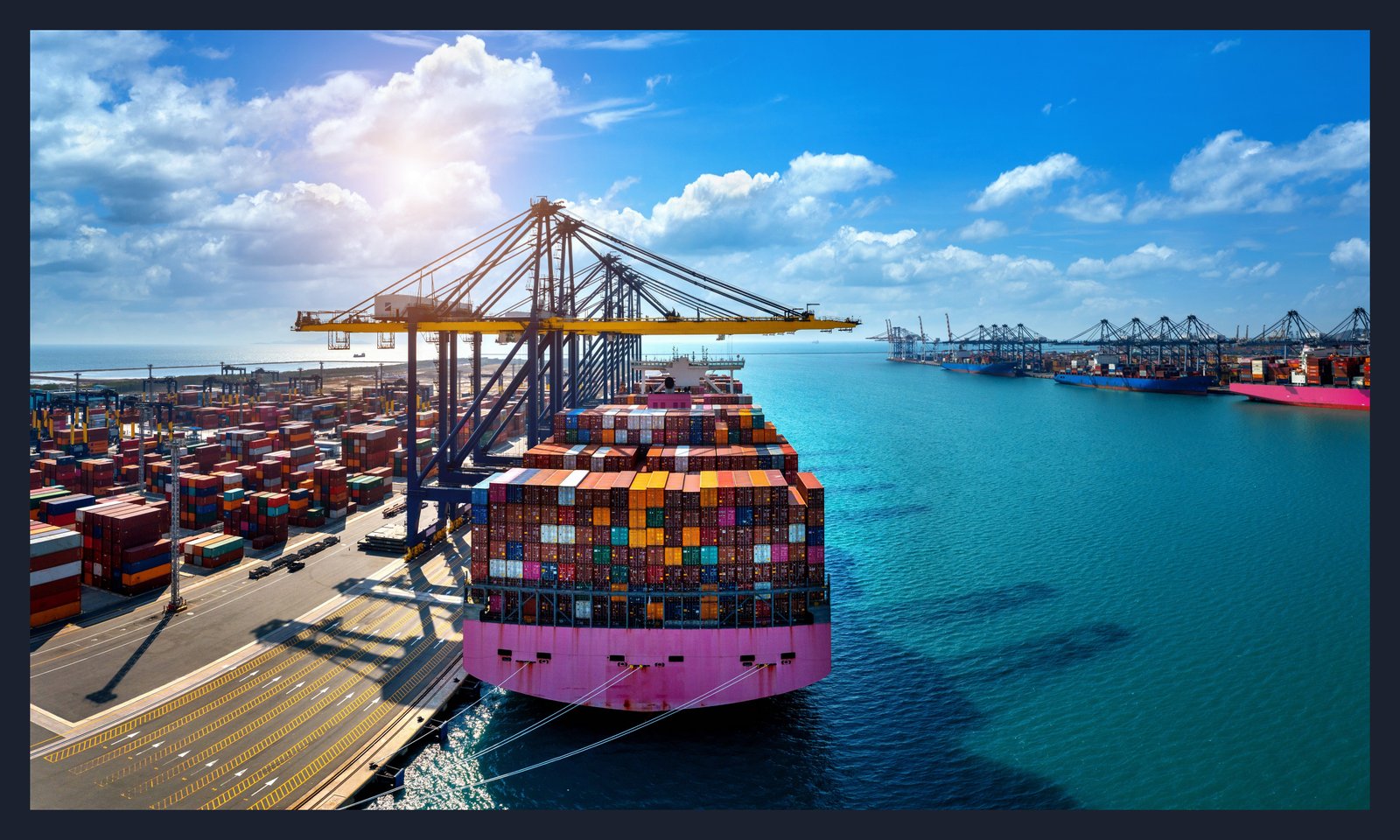
Dubai’s Logistics Hub Opportunities | The Future of Global Trade
Introduction:
Why Dubai is a Global Logistics Hub
Dubai has become a top choice for logistics, serving as a key connection point between the East and the West. Its strategic location, cutting-edge infrastructure, and business-friendly policies make it an attractive destination for trade, transport, and logistics investments. With major ports, airports, and free zones, Dubai continues to strengthen its position as a global logistics leader.
This article explores the logistics opportunities in Dubai, highlighting key advantages, industries benefiting from its growth, and future trends shaping the sector.
Table of Contents
1. Dubai’s Strategic Location and Trade Advantage
2. Key Infrastructure Supporting Logistics Growth
o Airports
o Seaports
o Roads and Rail Network
3. Free Zones and Business Incentives
4. Emerging Opportunities in E-Commerce and Digital Trade
5. Future Trends in Dubai’s Logistics Sector
6. Pro Tips for Businesses Entering Dubai’s Logistics Market
1. Dubai’s Strategic Location and Trade Advantage
Dubai’s location at the crossroads of Asia, Europe, and Africa makes it a key player in global trade. The city provides businesses with access to:
· There are 2.5 billion potential customers within a 4-hour flight distance.
· Seamless trade routes connecting major global markets
· Strong air, sea, and land connectivity for efficient transport
With its position as a major re-export hub, Dubai facilitates trade for industries such as electronics, automotive, pharmaceuticals, and fashion.
2. Key Infrastructure Supporting Logistics Growth
Dubai’s logistics sector thrives on world-class infrastructure.
Airports: Global Cargo Powerhouses
Dubai is home to two major airports:
· Dubai International Airport (DXB)—One of the world’s busiest cargo hubs
· Al Maktoum International Airport (DWC)—Designed to handle 12 million tons of cargo annually
Seaports: Maritime Trade Excellence
Dubai’s ports play a crucial role in logistics:
· Jebel Ali Port—The largest port in the Middle East, handling over 19 million TEUs annually
· Port Rashid – A key hub for cruise and commercial cargo operations
Roads and Rail Network: Seamless Connectivity
· Dubai Logistics Corridor links airports and seaports, reducing transit times
· Etihad Rail Project will enhance UAE’s freight movement efficiency
3. Free Zones and Business Incentives
Dubai offers several logistics-focused free zones, providing tax benefits and simplified regulations:
· Jebel Ali Free Zone (JAFZA)—Home to 8,700+ businesses, contributing 23.9% of Dubai’s GDP
· Dubai South is linked to Al Maktoum Airport, which serves as a key center for aviation and logistics.
· Dubai Airport Free Zone (DAFZA) is a great place for companies that work with air freight. It offers a good environment for businesses in this area.
Key Business Incentives:
100% foreign ownership
Zero import/export duties
No personal income tax
Easy company setup procedures
4. Emerging Opportunities in E-Commerce and Digital Trade
Dubai’s logistics sector is rapidly evolving with the rise of e-commerce and digital trade.
· E-commerce boom—Platforms like Amazon and Noon have established major fulfillment centers
· Last-mile delivery advancements – Drone delivery and AI-powered logistics
· Smart warehouses – AI-driven inventory management for faster order processing
Dubai’s government also launched Dubai CommerCity, the region’s first e-commerce free zone, offering businesses a strategic base for online retail operations.
5. Future Trends in Dubai’s Logistics Sector
Dubai is constantly innovating in logistics with cutting-edge technologies and sustainability initiatives.
Key Trends to Watch:
Hyperloop Transport—Future cargo movement at 1,000 km/h
Green Logistics – Eco-friendly warehouses and electric transport solutions
Blockchain in Logistics—Transparent and efficient supply chain tracking
AI & Automation—Smart logistics powered by machine learning
With Dubai’s 2040 Urban Master Plan, sustainability and digitalization will be at the core of logistics developments.
6. Pro Tips for Businesses Entering Dubai’s Logistics Market
Choose the Right Free Zone—Depending on your industry, select a free zone that offers the best benefits.
Leverage Technology—Invest in AI, automation, and blockchain to optimize logistics efficiency.
Understand Regulatory Compliance—Stay updated with Dubai Customs regulations for seamless operations.
Network with Local Partners – Collaborate with UAE-based suppliers and logistics firms to enhance market reach.
Conclusion: The Future of Dubai’s Logistics Hub
Dubai's logistics industry is expected to grow a lot, thanks to smart infrastructure, special benefits for free zones, and government support programs. Whether you’re an investor, entrepreneur, or business owner, Dubai presents endless opportunities to thrive in global trade.
Ready to expand your logistics business in Dubai? Explore the latest opportunities and take advantage of its world-class infrastructure today!
Would you like me to include specific case studies or additional insights?


